


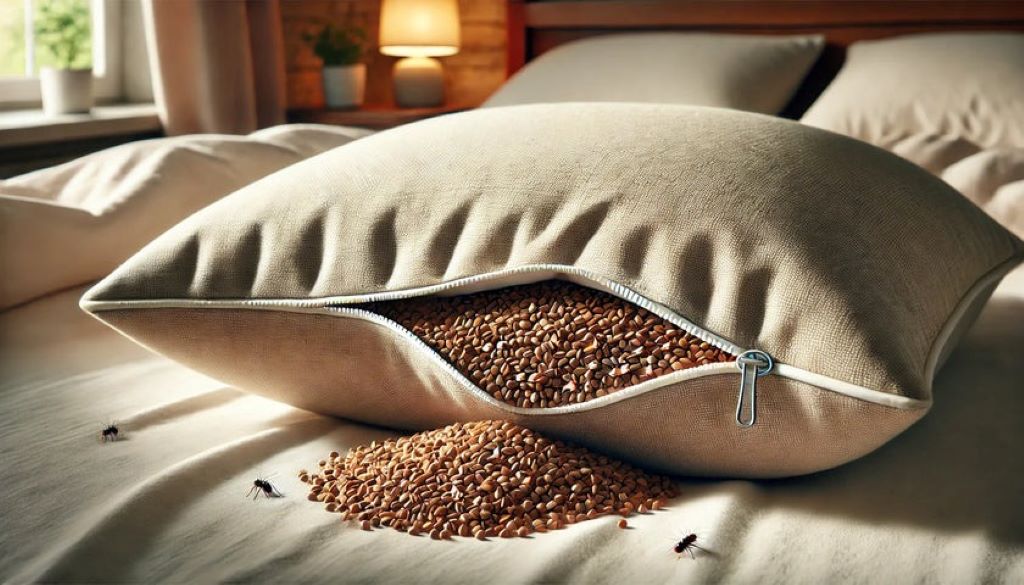
In the ever-evolving world of sleep products, buckwheat pillows have carved out a surprising niche. These traditional pillows, filled with the hulls of buckwheat seeds, are anything but ordinary. Though centuries old in Japan and other parts of Asia, buckwheat pillows are now trending among wellness enthusiasts and insomniacs worldwide. So, what is a buckwheat pillow and should you try one? Let’s dive into the facts, the opinions, and whether this ancient bedding can modernize your sleep routine.
What Exactly Is a Buckwheat Pillow?
A buckwheat pillow is filled with the outer husks of buckwheat seeds—called hulls. These hulls are naturally hard, triangular-shaped casings that interlock and provide firm, moldable support. Unlike down or memory foam, buckwheat hulls don’t compress under pressure. This makes them ideal for contouring to your neck and head shape without collapsing.
These pillows often come with zippered cotton cases, allowing users to adjust the amount of hulls to match their comfort level. Most high-quality versions use organic hulls that are dust-free and sustainably processed.
The Science Behind the Support
One of the biggest draws to buckwheat pillows is spinal alignment. A study published in the Journal of Chiropractic Medicine found that proper neck alignment reduces chronic pain and improves sleep quality. Because buckwheat pillows hold their shape and do not flatten, they keep the head and spine in a neutral position throughout the night.
According to Sleep Foundation, adjustable pillows like buckwheat are especially helpful for side and back sleepers. Unlike soft synthetic pillows that allow the head to sink, buckwheat hulls offer resistance, creating consistent support. Chiropractors often recommend firm, moldable support to people suffering from neck stiffness or headaches.
Are They Comfortable?
Comfort is subjective, and this is where opinions differ. Some users praise buckwheat pillows for completely transforming their sleep. Others complain they feel too firm or noisy. Hulls make a subtle rustling sound when shifted. While some find it soothing, like a white noise effect, others may find it distracting.
In a consumer survey by The Strategist, over 60% of users who tried buckwheat pillows said they experienced reduced neck pain and better sleep quality within two weeks. On the other hand, a smaller group reported that the firmness felt too unusual compared to traditional pillows.
Temperature Regulation: A Hidden Gem
Overheating is a common complaint with memory foam pillows. Buckwheat pillows offer a cooler sleep experience. The hulls allow air to circulate freely, preventing heat buildup. This makes them especially popular among hot sleepers and those going through menopause or dealing with night sweats.
Thermoregulation studies, including data from Sleep.org, indicate that lower head temperatures help people fall asleep faster and stay asleep longer. Buckwheat pillows, by design, align perfectly with this benefit.
Environmental Impact and Sustainability
If you’re eco-conscious, buckwheat pillows offer a greener alternative. Buckwheat is a renewable crop that doesn’t require chemical pesticides. The hulls used are typically a byproduct of the food industry, repurposed instead of discarded.
Most pillow cases are made from organic cotton or bamboo fabric. Compared to synthetic or foam pillows, buckwheat pillows are fully biodegradable and last up to 10 years with proper care.
Downsides to Consider
Despite many benefits, buckwheat pillows are not for everyone. Their firmness can feel jarring, especially if you’re used to plush, soft cushions. They also weigh significantly more—up to 5 pounds or more—making them less ideal for travel or repositioning frequently.
They also require occasional maintenance. Over time, hulls can break down or flatten. Experts recommend replacing or refilling the hulls every few years to maintain support.
Price vs. Value
While you can find traditional pillows for under $30, buckwheat pillows typically range from $50 to $100 or more. The higher upfront cost can be off-putting. However, considering their durability and reduced need for replacement, the long-term value may outweigh the cost.
According to experts from Consumer Reports, investing in sleep health pays off through improved mental and physical well-being. If a buckwheat pillow enhances sleep quality, the ROI is hard to ignore.
So, Should You Try One?
If you’re dealing with chronic neck or back pain, sleep hot, or want a sustainable alternative, a buckwheat pillow could be a game-changer. The key is adjusting your expectations. It won’t feel plush or bouncy. But for people seeking structure, support, and breathability, it’s often worth the switch.
Try one with a return policy. Most reputable brands offer a 30-day trial period, making it easier to test without regret.
FAQs
- Do buckwheat pillows help with snoring?
They may help reduce snoring by promoting proper neck and airway alignment, but results vary by individual. - Are buckwheat pillows good for side sleepers?
Yes. They offer firm support that keeps the spine aligned, especially when adjusted to the right thickness. - How long does a buckwheat pillow last?
With proper care, they last between 5–10 years. Replacing hulls every 2–3 years helps maintain performance. - Can I wash a buckwheat pillow?
You can wash the outer case, but never the hulls. Wet hulls can mold. Instead, air them out in the sun to freshen. - Are they hypoallergenic?
Yes. Buckwheat is naturally resistant to dust mites, making it suitable for allergy sufferers. - Where are buckwheat pillows made?
Many are made in Japan, the U.S., and Canada. Always check for organic certification and origin of hulls. - Do buckwheat pillows lose volume over time?
They can compress slightly, but refilling them with fresh hulls restores their firmness and shape.
Final Thought
So, what is a buckwheat pillow and should you try one? It’s a question worth exploring for anyone tired of tossing and turning. While it won’t suit every sleeper, it offers tangible benefits for those craving better neck support, breathability, and eco-conscious living.
The key is personal comfort. If you’re curious, give it a try—but allow an adjustment period. For many, this centuries-old solution offers a surprisingly modern answer to sleepless nights.
Read More:
How to Wash Microfiber Cushions? Follow This Instruction
Home Décor Trends You Should Consider When Renovating Your Home

