


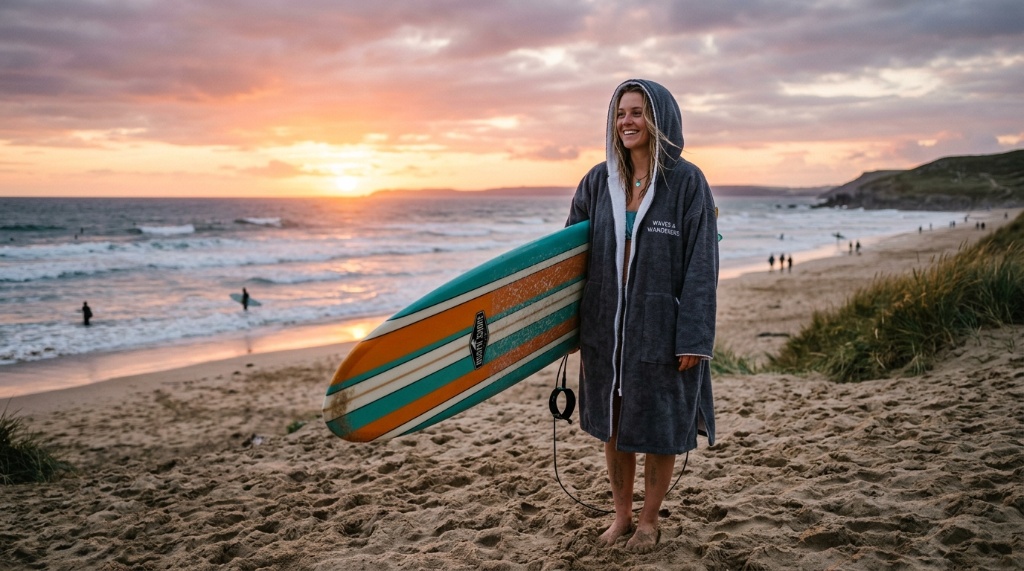
You finish a surf session, the wind picks up, and now you’re trying to wrestle a damp towel around your waist while balancing on one leg in a parking lot. A surf poncho solves that specific problem, but only if you choose one that matches how you actually surf. The team at TheSurfingVillage has put together a Sun Cube surf poncho designed for exactly this situation, and it’s a good example of what to look for. Below, you’ll find a practical breakdown of fabric, fit, drying time, and the features that actually matter.
Quick Answer
Choose a surf poncho based on fabric weight, drying speed, and how much coverage you need. Microfiber and terry-lined ponchos dry fast and work well for warm climates, while heavier fleece-lined versions suit cold-water surfers who need insulation. Prioritize a generous hood, a wide cut for easy changing, and a length that reaches at least mid-thigh. Skip anything that’s too thin to block wind or too bulky to pack.
Key Takeaways
- Fabric type determines warmth, drying time, and packability—match it to your water temperature and climate.
- A wide, boxy cut and a deep hood make changing easier and more discreet than a narrow, fitted poncho.
- Length matters: too short and you lose coverage while changing; too long and you trip on wet sand or stairs.
- Quick-dry materials reduce the damp, heavy feeling on the drive home and cut down on mildew if you forget it in your bag.
- Pockets, snap closures, and reversible designs are nice-to-have features, not deal-breakers—prioritize fit and fabric first.
Why a Surf Poncho Beats a Towel
A towel works, but a poncho solves three problems a towel can’t: it stays put, it covers you while both hands are free, and it keeps wind off your wet skin. If you’ve ever tried to shimmy out of a wetsuit under a towel in a public parking lot, you already know the difference. A poncho hangs from your shoulders, so you can pull your arms inside, change your top and bottom separately, and step out already dressed. It also doubles as a warm layer on cold mornings and a changing room on crowded beaches where an actual changing facility isn’t available.
Fabric: The Decision That Matters Most
The fabric you choose affects warmth, drying time, weight, and how the poncho feels against your skin. There’s no single best option—it depends on where and when you surf.
Microfiber and Quick-Dry Synthetics
These are lightweight, absorb water quickly, and dry in a fraction of the time a cotton towel takes. They’re ideal for warm-water surfers, travel, and anyone who wants a poncho that packs down small. The trade-off is that they offer little insulation, so they won’t keep you warm on a cold, windy day.
Terry Cotton and Terry Blends
Terry absorbs well and feels soft against the skin, but it’s heavier and takes longer to dry. It’s a reasonable choice if you surf in mild conditions and don’t mind the extra bulk. If you leave a damp terry poncho in a bag, it can develop a musty smell quickly, so it needs to be hung to dry after each session, If you want to explore extreme wave riding after mastering your beach routine, check out how tow-in surfing explained: adrenaline meets innovation changes big wave riding forever.
Fleece-Lined and Brushed Interior Fabrics
These are built for cold-water surfers. The lining traps warmth, which matters when air temperatures are low and you’re standing around in wet boardshorts or a damp wetsuit. They’re bulkier and slower to dry than microfiber, but the warmth is worth it if you’re surfing in colder climates.
| Fabric Type | Warmth | Drying Speed | Best For |
|---|---|---|---|
| Microfiber / synthetic | Low | Fast | Warm water, travel, small packs |
| Terry cotton / blend | Medium | Moderate | Mild climates, comfort-focused surfers |
| Fleece-lined | High | Slow | Cold water, winter sessions |
Fit and Length: Getting This Wrong Ruins the Poncho
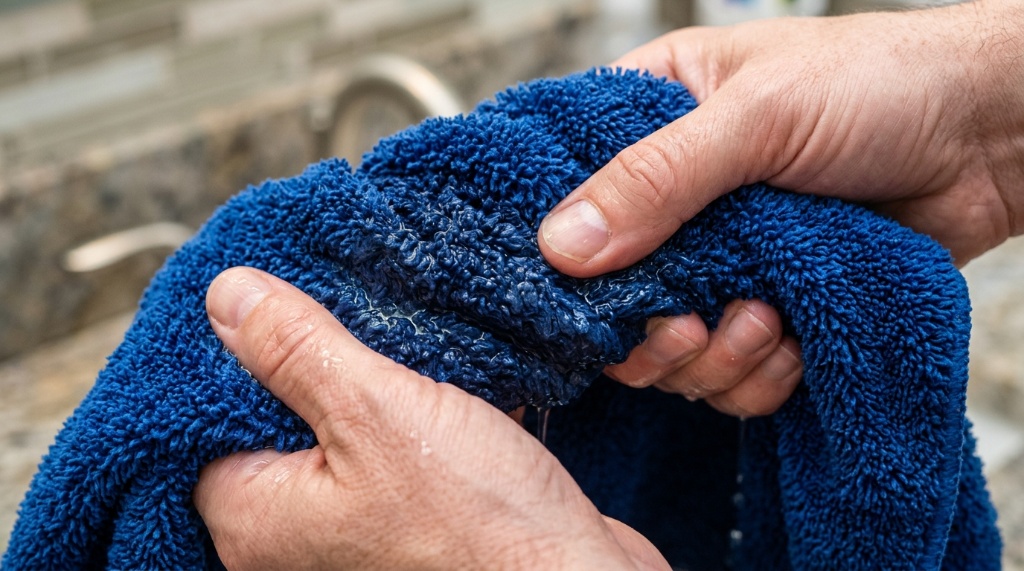
Fit is where most people get disappointed. A poncho that’s too narrow defeats the purpose—you can’t move your arms freely inside it to change. A poncho that’s too short leaves you exposed when you bend over. A poncho that’s too long drags on the ground and soaks up sand and water.
How to Check the Cut
Look for a loose, boxy shape rather than a tapered one. The arm openings should be wide enough that you can pull your arms in and out without fighting the fabric. If you’re tall, check the listed length; many ponchos run short on taller frames. If you’re shorter, a poncho that hits below the knee may drag when you walk.
Hood Depth
A deep hood is more useful than a decorative one. It should be roomy enough to pull over your head while your hair is wet and to cover your face if you want privacy while changing. Shallow hoods that sit flat against your neck don’t do much for warmth or modesty.
Practical Features Worth Considering
Not every feature is essential. Here’s how to weigh them without overpaying for things you won’t use.
- Snap or button closures: Useful for keeping the poncho secure in wind and for converting it into a cape-style cover. Nice to have, not critical.
- Pockets: Handy for keys, wax, or a phone, but a wet poncho plus a phone is a risky combination. Consider a zippered pocket if you’ll carry anything valuable.
- Reversible designs: Adds versatility and can extend wear between washes, but usually adds cost.
- Drawstring or adjustable hood: Helps in windy conditions, especially on exposed beaches.
- Compact carry pouch: Worth having if you travel or keep your poncho in a small bag.
Common Mistakes to Avoid
Most poncho regrets come down to a few predictable errors. Buying purely on looks is one—a poncho that photographs well but fits tight won’t help you change. Choosing the cheapest option often means thin fabric that clings when wet and offers no wind protection. Ignoring the climate you actually surf in leads to either overheating in a fleece-lined poncho in the tropics or shivering in a microfiber one in winter. And forgetting to dry the poncho properly after each use is the fastest way to end up with a mildewed, smelly piece of gear. Hang it up, don’t ball it up.
Matching the Poncho to Your Routine
Your routine should drive the decision more than any spec sheet. If you surf dawn patrol in cold water and change in an open parking lot, prioritize warmth and a deep hood. If you surf warm-water waves and travel light, prioritize a compact, fast-drying microfiber poncho. If you surf with kids or in a group, consider a larger cut that’s easy to get in and out of quickly. If you mostly surf at a beach with real facilities, you can lean toward comfort and style over pure function.
Frequently Asked Questions
How do I know what size surf poncho to buy?
Look at the listed length and width rather than a generic size label. A poncho should be loose enough to move your arms inside and long enough to reach at least mid-thigh. If you’re between sizes, size up—too much fabric is easier to manage than too little.
Can I use a regular towel poncho instead of a surf-specific one?
Yes, but surf-specific ponchos usually have wider cuts, deeper hoods, and quick-dry fabrics designed for changing in public. A standard towel poncho may work, but it often lacks the coverage and wind resistance you want after a session.
How often should I wash a surf poncho?
Wash it every few sessions, or more often if it smells musty. Rinse it with fresh water after saltwater use when possible, and always hang it to dry fully before storing it. Frequent washing is less important than thorough drying.
Are fleece-lined ponchos worth it?
They’re worth it if you surf in cold water or cold air temperatures. In warm climates, they’re overkill and can make you sweat. Match the lining to your actual conditions, not to how it looks online.
What’s the best way to store a wet surf poncho?
Hang it up, ideally in open air, rather than stuffing it in a bag or bin. If you must transport it wet, use a mesh or ventilated bag so it can start drying on the way home.
Conclusion
Choosing the right surf poncho comes down to three things: fabric that matches your climate, a cut that lets you change comfortably, and a length that covers without dragging. Get those right, and the extra features become personal preference rather than necessities. Start by identifying your typical water temperature and where you change, then pick a fabric and fit accordingly. A poncho that fits your routine will earn its place in your bag every session.

