


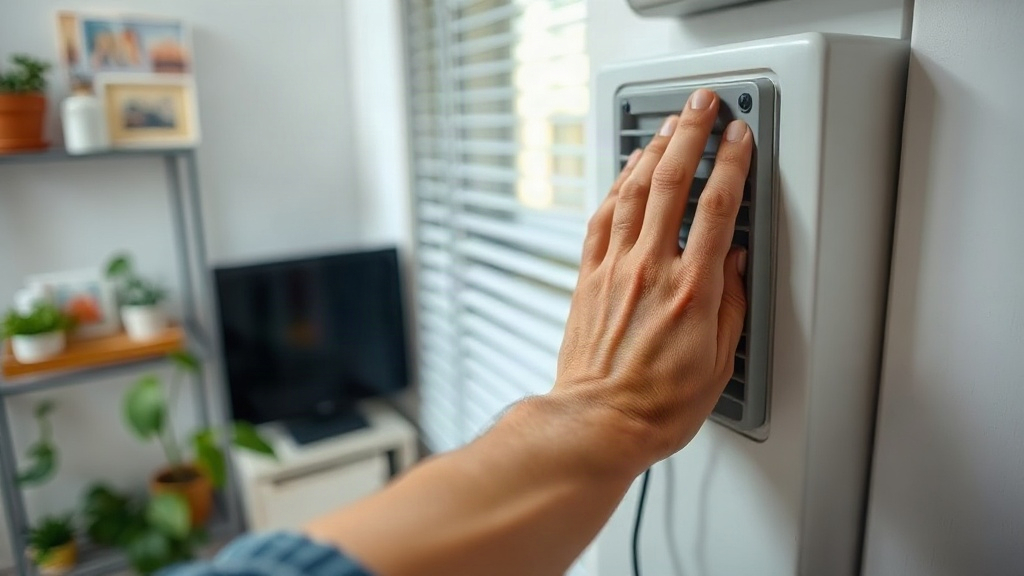
The afternoon sun hits your single window, and within an hour the whole studio feels like an oven. You want relief, but leaving the air conditioner running from noon to midnight feels wasteful and expensive. Learning how to keep a small apartment cool without running ac all day starts with blocking heat before it enters, not fighting it afterward.
Quick answer: Block sunlight and seal gaps during the day, then flush the apartment with cooler outside air at night or early morning. Run fans to move air across your skin, keep heat-producing appliances off during peak hours, and shade the sun-facing windows from the outside whenever possible. Small apartments heat up fast, but they also cool down fast.
This guide walks through preparation, a room-by-room routine, practical tips, and the mistakes that quietly undo your efforts. By the end, you will have a daily cooling plan that fits a small space and a modest budget.
What you need before starting
Gather a few low-cost items first so you are not improvising at 3 p.m. when the apartment is already hot. A small space rewards preparation more than equipment, so start simple.
Tools and supplies:
- Blackout curtains or reflective window film for the sun-facing windows
- One or two box fans or tower fans, plus a small desk fan if you have one
- A window fan that fits your frame (reversible models are the most flexible)
- Weatherstripping or a door draft stopper for gaps around doors
- A spray bottle for a light mist on your skin when air is dry
- Thermometers for at least two rooms, so you can see which side of the apartment heats first
- LED bulbs to replace any incandescent ones, which release most of their energy as heat
Prerequisites to check:
- Window operation. Confirm every window opens, latches, and stays open without propping. A stuck window cuts off your best night-cooling option.
- Building rules. Some buildings restrict window fans, exterior shades, or open windows after certain hours. Check your lease before buying hardware.
- Your apartment’s orientation. Note which windows face east and west. East windows heat the morning; west windows bake the late afternoon.
- Airflow path. Identify a window on each side of the apartment so you can create cross-ventilation. A studio with one window needs a fan-based strategy instead.
A realistic budget: Most of this costs under $100 total. Curtains and a reversible window fan do the heaviest lifting. Skip expensive gadgets until the basics are in place.
A small thermometer-hygrometer: These cost around $10 and show both temperature and humidity, so you can tell whether a room feels hot or merely damp. That distinction changes which fix you reach for.
Renter-friendly options like tension rods, film, and portable fans avoid lease issues. Ask your landlord before installing anything permanent on the exterior.
Step-by-step instructions
Follow these steps in order on a hot day. Each one has a clear outcome, and together they form a repeatable routine.
Before Step 1, check the forecast at breakfast. If the overnight low will stay above your indoor temperature, skip the evening flush and lean harder on shading and fans. A quick look at the hourly numbers tells you whether night ventilation will help or just let warm, humid air inside.
Step 1: Close up and shade everything before 9 a.m.
Shut windows and draw curtains on sun-facing sides before the heat builds. The goal is to trap the cool night air inside. Closing up early can keep a room noticeably cooler than opening windows at noon.
Step 2: Create a cross-breeze with two fans
Place one fan facing inward at a shaded window and another facing outward at an opposite window. This pulls cool air through and pushes hot air out. In a one-window apartment, aim a single fan outward at the top of the window and let air enter below it.
Step 3: Direct airflow at yourself, not the room
Point a box fan or desk fan directly at your body. Moving air across skin speeds evaporation and makes you feel cooler at the same temperature. This is the cheapest comfort upgrade in any apartment.
Step 4: Cook and clean outside peak hours
Run the oven, stove, dishwasher, and dryer in the early morning or late evening. Each appliance adds heat and humidity to a small space. On the hottest days, shift to cold meals or a microwave.
Step 5: Flush the apartment at night
When outside air drops below indoor temperature, open windows on opposite sides and run fans until morning. A small apartment can exchange its entire air volume quickly with a good breeze. Close up again at sunrise.
Open windows when the outdoor reading is lower than your indoor one, even if it is only 9 p.m. Let the numbers decide.
Step 6: Cool your body directly
Take a cool shower, dampen a cloth for your neck and wrists, and wear light cotton. Cooling your skin reduces how hot the room feels without touching the thermostat.
Tips for better results
Small adjustments compound over a full day. These tips squeeze more comfort from the same setup.
Shade the outside, not just the inside. Exterior shade stops heat before it passes the glass. A removable awning, a tension-mounted shade screen, or even a reflective film keeps the sun off the pane. Interior curtains help, but they still let heat through the glass first.
Use a fan-and-ice setup sparingly. A bowl of ice in front of a fan blows slightly cooler air for a short time. It works best in a small, closed room and needs frequent refills. Treat it as a personal comfort boost, not whole-room cooling.
Create a cool zone. Pick one room and concentrate your efforts there: shaded windows, a fan, and minimal electronics. Cooling one 100-square-foot room is far easier than cooling the whole apartment.
Manage humidity. Humid air feels hotter because sweat evaporates more slowly. Run the bathroom exhaust fan during and after showers, and cover pots when boiling water.
Use the kitchen and bathroom exhaust fans. These pull hot, moist air out of the apartment. Run them during cooking and bathing, then switch them off.
Keep doors closed to unused rooms. Blocking a hot, sun-baked bedroom keeps its heat from spreading into the living space.
Let night air do the heavy lifting. If your climate cools after dark, prioritize evening ventilation over daytime tricks. This single habit often delivers the biggest comfort gain.
Track what works. Note indoor and outdoor temperatures for a week at the same times each day. Patterns quickly reveal which windows and hours matter most in your unit.
Match fan speed to the time of day. High speed moves the most air during evening flushing, while low speed is enough for personal cooling while you sit still. Constant high speed stirs up dust and dries your eyes without extra benefit.
Keep a small thermometer near your desk or bed. The spot where you spend the most time deserves its own reading, since corners of a small apartment can differ by several degrees. Adjust fans and shading based on that number, not the hallway.
Common mistakes to avoid
Most failed cooling attempts come from a handful of avoidable errors. Fix these and your routine starts working.
Opening windows during the hottest hours. If outdoor air is hotter than indoor air, an open window is a heater. Ventilate at night and early morning only, then seal up.
Running fans in an empty, hot room. Fans cool people, not air. A fan spinning in a closed, sun-baked room just moves warm air and wastes electricity. Point fans at people, or use them to exhaust air through a window.
Relying on interior blinds alone. Standard blinds trap heat between the fabric and glass, then release it inward. Combine them with exterior shade or reflective film for real relief.
Ignoring the oven and dryer. Baking at 5 p.m. can undo an entire day of careful shading. Shift heat-generating tasks to cooler hours or skip them on hot days.
Blocking airflow with furniture. A sofa or bookshelf in front of a window kills cross-ventilation. Keep window paths clear on both sides of the apartment.
Forgetting humidity. Damp air makes any temperature feel worse. Fix leaks, vent the bathroom, and avoid hanging wet laundry indoors on hot days.
Sealing the apartment completely at night. A closed-up unit holds stale warm air. Open up once outdoor temperatures drop, even for a few hours.
Leaving the bathroom door open after a shower. Steam spreads into the apartment and raises humidity everywhere. Keep the door shut and let the exhaust fan clear the room first. Ten extra minutes of ventilation spares your bedroom a muggy evening.
Ignoring the thermostat setting on your AC. If you run it at all, set it a few degrees higher than you normally would and pair it with a fan. Many people cool a room to 68°F when 76°F with moving air feels the same on skin.
If indoor temperatures climb above roughly 90°F and you feel dizzy, confused, or stop sweating, seek a cooler place such as a library, cooling center, or a neighbor’s home. Fans alone do not prevent heat illness in extreme conditions.
FAQ
How much does this approach cost compared to running the AC?
A starter kit of curtains, weatherstripping, and one or two fans typically runs under $100, and fans use a fraction of the electricity an air conditioner draws. The trade-off is effort: you manage windows and fans daily instead of pressing a button.
How do I cool a studio apartment with only one window?
Use a reversible window fan to push hot air out while pulling cooler night air in through the same opening. Point a second fan at your body, shade the glass from outside, and keep the room’s heat sources off during the day.
When should I open the windows?
Open them whenever the outdoor thermometer reads lower than your indoor one, usually evening through early morning. Close everything again before the sun hits the glass.
Does a bowl of ice in front of a fan actually help?
It delivers a small, brief drop in air temperature in a closed, small room. Expect modest relief, not air conditioning. Direct fan airflow on your skin does more for comfort.
Are portable evaporative coolers worth it?
Only in dry climates. They add moisture to the air, which makes humid rooms feel worse. Check your local humidity before buying one.
Conclusion
Cooling a small apartment without all-day AC comes down to timing and airflow. Block sun and heat during the day, flush the unit with cooler air at night, and point fans at people rather than empty rooms. Keep cooking and laundry heat out of peak hours, and fix humidity and drafts before buying gadgets. Start tonight: check your indoor and outdoor temperatures, then open opposite windows when the outside air drops. Build that habit for one week and you will know exactly when your apartment wants to breathe and when it needs to stay sealed.

