


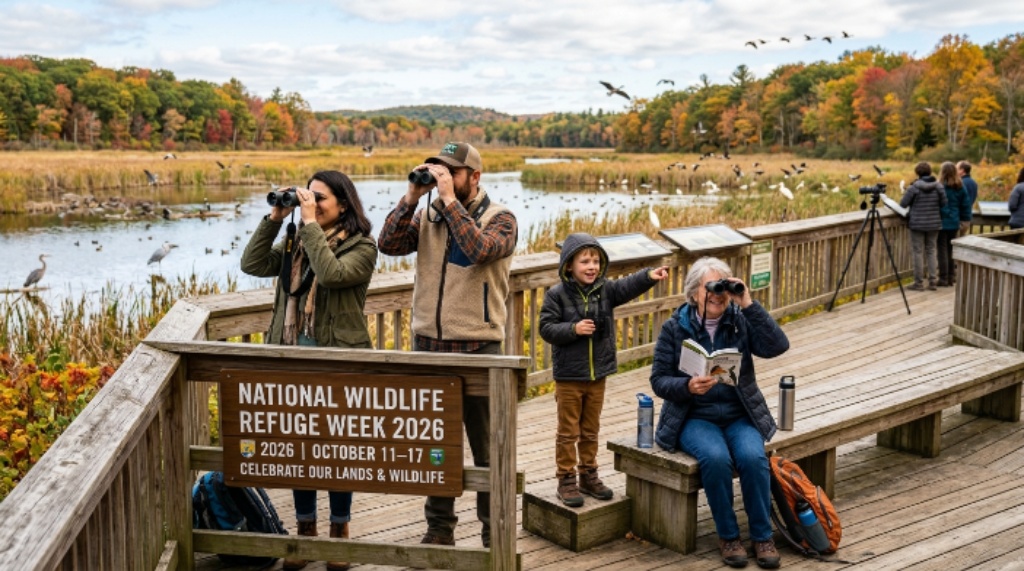
Every October, something remarkable happens across America. Hundreds of thousands of people step away from their screens, lace up their boots, and head outdoors to connect with the natural world. They walk wetlands, scan skies for migrating birds, cast lines into quiet streams, and take photographs of animals that share this continent with us. This October, that moment belongs to the entire month, and especially to one special week: October 10 to 17, 2026.
National Wildlife Refuge Week is your personal invitation to explore America’s most extraordinary conservation network. It costs nothing to show up. It gives back more than you can carry home.
What Is National Wildlife Refuge Week?
National Wildlife Refuge Week is observed during the second full week of October each year. In 2026, the celebration runs from Saturday, October 10, through Saturday, October 17. It is organized by the U.S. Fish and Wildlife Service and celebrates the National Wildlife Refuge System, the most diverse network of public lands and waters in the world.
The tradition began in 1995, when former U.S. Fish and Wildlife Service Director Mollie Beattie signed the original proclamation. Her words still resonate today. She described Refuge Week as a time for all Americans to learn about and celebrate the magnificent collection of lands set aside for wildlife.
October is the ideal month for this celebration. Migratory birds are on the move. Leaves turn gold and red on forest edges. The air is cool enough for long walks. And wildlife is more visible than at almost any other time of year.
Key Dates for October 2026
The celebration fills the entire month of October, but two dates within Refuge Week stand out above all others.
| Date | Event |
| October 10, 2026 (Saturday) | Urban Wildlife Conservation Day — Refuge Week kickoff |
| October 11, 2026 (Sunday) | Free Admission Day at all fee-charging national wildlife refuges |
| October 10–17, 2026 | National Wildlife Refuge Week — full week of events nationwide |
| October 1–31, 2026 | Month-long wildlife events, volunteer programs, and special activities across all 570+ refuges |
Urban Wildlife Conservation Day, which falls on the Saturday just before the main week, honors the 101 national wildlife refuges located in and near cities across the United States. These urban refuges bring nature directly to communities that might otherwise lack easy access to wild spaces.
Free Admission Day on October 11 waives entrance fees at every refuge that normally charges them. Nearly 500 national wildlife refuges offer free admission year-round, so this day ensures that cost is never a reason to stay home.
The National Wildlife Refuge System: By the Numbers
The scale of the system is breathtaking. Understanding it makes every visit feel more meaningful.
| Statistic | Number |
| Total national wildlife refuges | 570+ |
| Wetland management districts | 38 |
| Total acres protected | 95 million |
| Annual visitors | More than 69 million |
| Annual birding and wildlife observation visits | Nearly 44 million |
| Annual hunting visits | More than 2.7 million |
| Annual fishing visits | More than 8.4 million |
| Annual economic contribution | $3.2 billion |
| Jobs supported | More than 41,000 |
| Refuges with hunting programs | More than 430 |
| Refuges with fishing programs | More than 375 |
| Urban refuges within 25 miles of major metro areas | 101 |
| Volunteer hours contributed annually | Approximately 886,000 |
For every dollar appropriated to the Refuge System, approximately five dollars flows back into local economies. That return on investment benefits gateway communities, small businesses, outfitters, lodges, and restaurants near every refuge in the country.
Additionally, nearly 180 refuge Friends organizations across the country link local communities with their nearest refuge, providing volunteer labor and advocacy year-round.
What Happens During Refuge Week
Walk for the Wild Events
One of the most popular traditions of Refuge Week is the Walk for the Wild program, run in partnership with the Public Lands Alliance. Each year, more than 35 free walking events take place at national wildlife refuges across the country. You can register for a guided walk near your home or participate virtually from anywhere in the United States.
These walks are designed for all fitness levels. Some are gentle nature strolls through marshland. Others are moderate hikes to wildlife observation platforms. Each one connects participants directly to the landscapes and species that refuges protect. Registration is available through the Public Lands Alliance website.
Guided Wildlife Tours and Ranger Programs
During Refuge Week, refuge rangers and biologists lead special tours, talks, and programs at locations nationwide. These events give visitors a chance to learn directly from the experts who manage these landscapes every day.
Past programs have included guided bird walks, wildlife photography clinics, evening bat watches, reptile demonstrations, and talks on endangered species and the illegal wildlife trade. Specific events vary by refuge, and schedules are typically posted on individual refuge pages on the U.S. Fish and Wildlife Service website as the week draws closer.
Wildlife Photography Workshops
Photography events are among the most popular offerings during Refuge Week. Skilled wildlife photographers and refuge rangers teach participants how to capture images of birds, mammals, and landscapes responsibly. Sessions cover camera settings for birds in flight, ethical wildlife photography practices, and how to read animal behavior to anticipate the best shot. Space at these events tends to fill quickly, so early registration is recommended.
Invasive Species and Habitat Restoration Volunteer Days
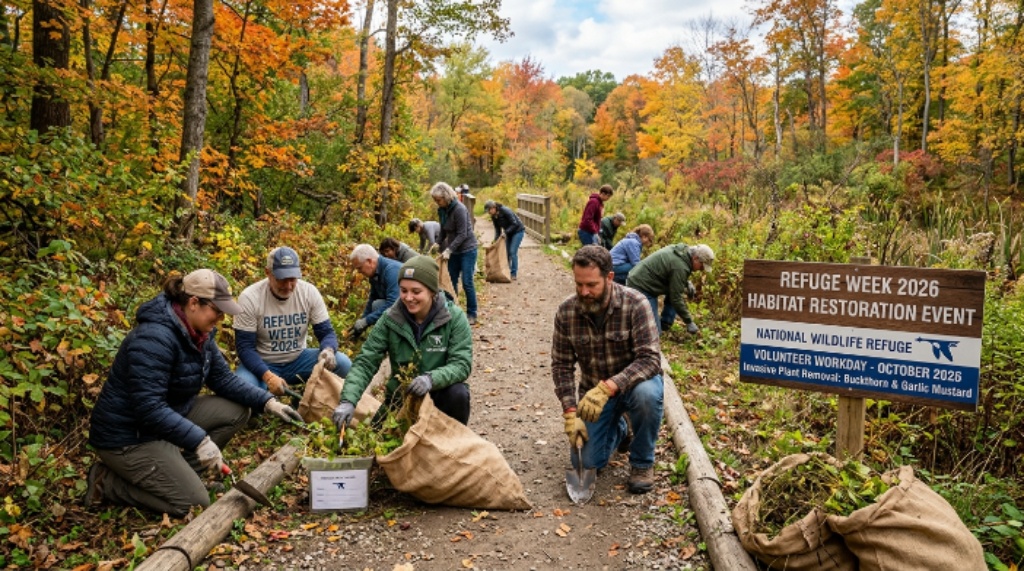
Refuge Week also celebrates the thousands of volunteers who keep the system healthy year after year. Volunteer days during the week include hands-on habitat restoration activities such as pulling invasive plants, planting native species, and clearing trails. These events are suitable for adults and older children and require no prior experience. All tools and guidance are provided on site.
Birding Events and Autumn Migration Watching
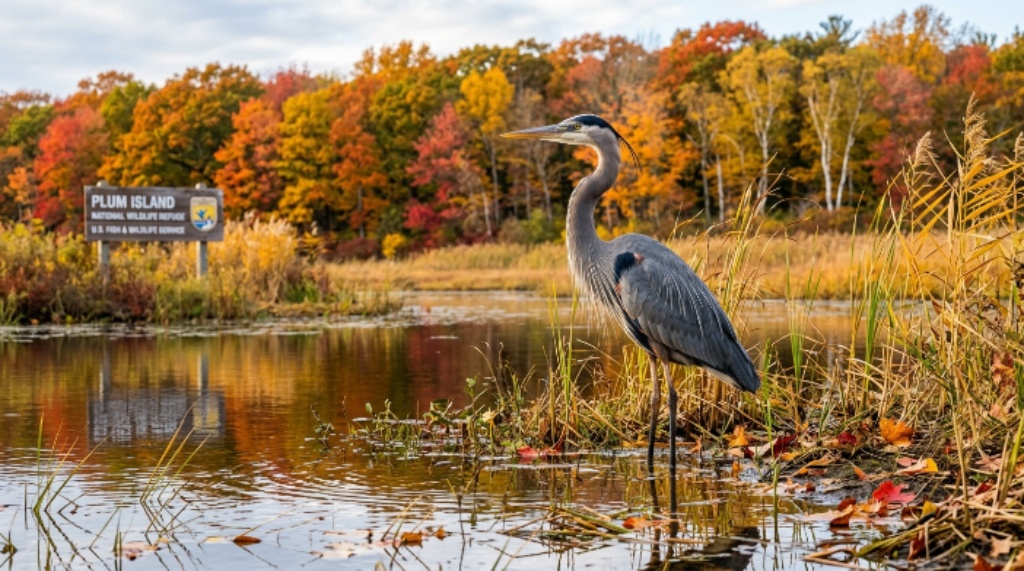
October sits at the peak of the autumn bird migration in most parts of the United States. National wildlife refuges are migration magnets, attracting species that travel thousands of miles between their breeding and wintering grounds. Refuge Week birding events take full advantage of this timing.
Events range from beginner birding walks for first-timers to early-morning expert birding sessions for experienced observers. Participants at refuges along major flyways can expect to see warblers, shorebirds, raptors, ducks, and geese in extraordinary numbers. Sunset birding sessions and estuary walks at some coastal refuges add a dramatic visual element to the experience.
Urban Wildlife Conservation Day: October 10, 2026
Urban Wildlife Conservation Day opens Refuge Week each year and deserves special attention in 2026. The 101 urban national wildlife refuges in the United States play a role that extends well beyond wildlife protection. They deliver clean air, clean water, flood mitigation, and accessible outdoor recreation to communities that are often densely populated and underserved by natural spaces.
These refuges connect people to nature who might otherwise never experience it. Children growing up in cities can visit a refuge within 25 miles of where they live. Families can picnic, birdwatch, fish, and hike without traveling hours from home. Urban refuges have proven, through decades of research, that time in nature improves physical health, reduces stress, and strengthens community bonds.
On October 10, events at urban refuges across the country celebrate these local landscapes. Many feature community activities, bilingual interpretation programs, and outreach specifically designed to welcome visitors who are new to public lands. Therefore, if you live near a city, check whether a refuge near you is hosting an Urban Wildlife Conservation Day event.
What You Can Do All October Long
Refuge Week is the highlight of October, but the entire month offers opportunities to connect with wildlife and support conservation.
- Visit your nearest national wildlife refuge and explore its trails, visitor center, and observation areas.
- Join a Walk for the Wild event or organize a group outing with friends and family.
- Try wildlife photography using only your phone camera. Many refuges have excellent viewing platforms designed for exactly this.
- Go birding during the autumn migration, even if you have never tried it before. Refuge rangers are always happy to help beginners get started.
- Volunteer for a habitat restoration day. A single morning of work can meaningfully improve conditions for local wildlife.
- Attend an educational program for children. Many refuges run school group events and public environmental education sessions throughout October.
- Share your refuge visits on social media using the hashtag for National Wildlife Refuge Week to help others discover these places.
- Donate to or join your local refuge Friends organization, which provides year-round support beyond what federal funding covers.
Why Wildlife Refuges Matter More Than Ever
The National Wildlife Refuge System faces real and ongoing challenges. Climate change alters habitats. Invasive species put native plants and animals under pressure. Development encroaches on migration corridors. Funding for conservation must compete with many other national priorities.
However, the system continues to deliver results that matter. More than 700 species of birds use refuge habitats during some part of their annual cycle. Hundreds of threatened and endangered species find critical sanctuary within refuge boundaries. Wetlands managed by refuges filter water, reduce flooding, and store carbon at scales that benefit entire regions.
Additionally, the system is expanding access. In 2026, the U.S. Fish and Wildlife Service proposed opening or expanding hunting and fishing opportunities on 111 field stations and refuges, reflecting a commitment to connecting more Americans with wildlife-dependent recreation. Over $67 million in new funding was also announced in May 2026 for wetland conservation projects and refuge improvements.
Every visit to a national wildlife refuge supports the case for this system’s continued existence. When people experience these places firsthand, they become advocates. They vote, donate, and speak up for the conservation that makes refuges possible.
How to Find Your Nearest National Wildlife Refuge
Finding your closest refuge is easy. The U.S. Fish and Wildlife Service maintains a searchable refuge finder at fws.gov, where you can search by state, zip code, or activity type. The tool shows hours, directions, available activities, and upcoming events for every location in the system.
Most major metropolitan areas have at least one national wildlife refuge within a short drive. Many are free to enter year-round, and some offer visitor centers with exhibits, interpretive programs, and staff available to answer questions.
Checking your target refuge’s individual page before visiting is always a good idea. Hours, trail access, and seasonal conditions can vary, and refuge staff often post current wildlife sightings and upcoming event schedules in the weeks before major celebrations like Refuge Week.
Conclusion
National Wildlife Refuge Week 2026 runs from October 10 to 17, with the full month of October offering an extended window to engage with America’s most remarkable conservation network. The week kicks off on October 10 with Urban Wildlife Conservation Day, honoring the 101 urban refuges that bring nature into the heart of American cities. October 11 brings free admission at all fee-charging refuges. Across more than 570 national wildlife refuges and 95 million acres of protected land, the week fills with guided walks, birding events, photography workshops, volunteer restoration days, and ranger-led programs designed for all ages and experience levels. The system supports more than 69 million visitors per year, contributes $3.2 billion annually to regional economies, and protects hundreds of threatened and endangered species. Every visit, every walk, and every hour of volunteer time helps make the case that this conservation network is worth protecting for generations to come. October is the month to go. The wild is waiting.
Frequently Asked Questions
When exactly is National Wildlife Refuge Week in 2026?
National Wildlife Refuge Week 2026 runs from Saturday, October 10, through Saturday, October 17. It is observed annually during the second full week of October. The week kicks off on October 10 with Urban Wildlife Conservation Day, and entrance fees are waived on October 11 at all refuges that normally charge admission.
Are all national wildlife refuges free to visit during Refuge Week?
October 11 is a designated free admission day at refuges that normally charge entrance fees. However, nearly 500 national wildlife refuges in the system offer free admission year-round, so most visitors will not encounter an entrance fee at any time during October 2026. Check the specific refuge you plan to visit for its regular admission policy.
What kinds of events and activities are available during Refuge Week?
Events include guided wildlife walks, birding tours, wildlife photography clinics, habitat restoration volunteer days, ranger-led educational programs, invasive species removal activities, and Walk for the Wild events in partnership with the Public Lands Alliance. Specific events vary by location and are posted on individual refuge pages on the U.S. Fish and Wildlife Service website.
How do I find a national wildlife refuge near me?
The U.S. Fish and Wildlife Service provides a refuge finder tool at fws.gov that allows you to search by state, zip code, or activity type. There is a national wildlife refuge within an hour’s drive of most major metropolitan areas, and 101 urban refuges sit within 25 miles of major US cities.
How can I support national wildlife refuges beyond visiting during October?
You can support refuges by volunteering for habitat restoration programs, joining or donating to your local refuge Friends organization, following and sharing the U.S. Fish and Wildlife Service’s conservation updates on social media, and contacting your elected representatives to advocate for strong federal funding for the National Wildlife Refuge System. Attending community events and bringing children to refuges also builds the next generation of conservation supporters.

